

Copyright © 2022.Webpages & illustration & 3D models & photographics created by Chingtak.Kitayamachingtak Artstation
Unfledged Idealist
Honestly, I have loved painting and game-level designing since I was young, however, my parents' recommendation and the difficult employment situation have pushed me to a completely different path, Computer Science. To my surprise, in this seemingly different field, I unexpectedly encountered the perfect combination of Computer Science and visual communication, Computer Graphics. In recent years. I am eager to optimize these unique computer technologies to produce more creative applications and games.
-
Bushi X.

I’m B.S XIAO. You can call me Bushi.
Birthday:May 29, 2000
Location:Hong Kong SAR
Email:kitayamachingtak@gmail.com
Phone:+852 5423 8976
Educational BackgroundBScCM, City Univercity of Hong Kong
Undergraduate Major:Computer Graphics
Research Interests:Urban Study, Computer Graphics, Machine Learning
I'm Bushi. When I was undergraduate student from City University of Hong Kong, I used Kitayamachingtak as a pseudonym to produce creative works on Artstation. I got my bachelor of Science degree in 2022.
During my study in computer science courses at the City University of Hong Kong, I have extensively explored most fundamental programming languages, like C++, Python, Java, and HTML. Computer Vision, Image Processing, and Computer Graphics courses allowed me to understand the logical process of mapping virtual space to 2D images.





Resume of Bushi
Featured Works
-
 Concept Design, Computer Graphics My Narrative Style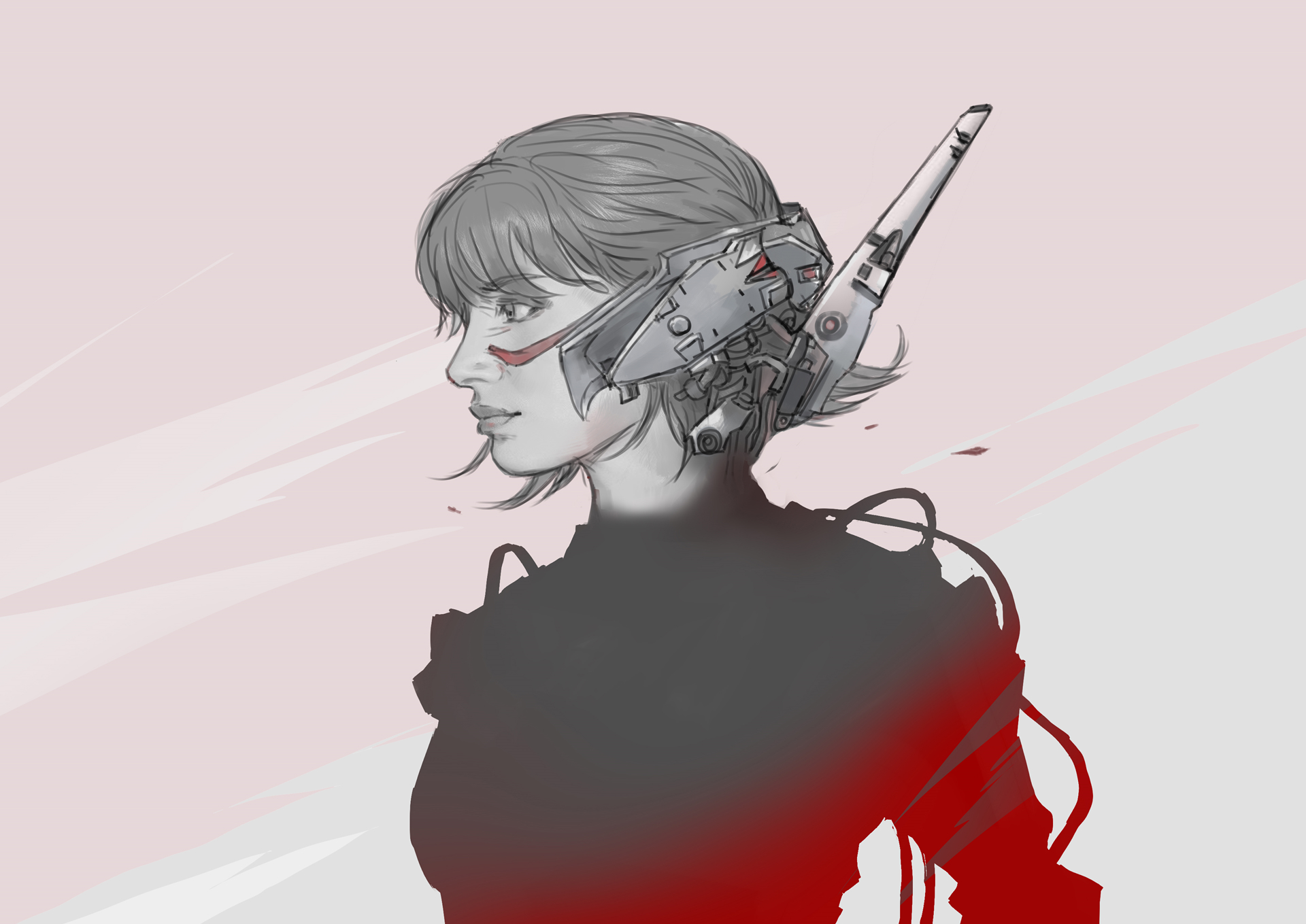
My Narrative Style
Project Name: The Raven and the Path of Ashes
After World War III, the Earth was unified, but the population was too large to manage. In 2090, in the economic and military city "Harbor City", the "Future Conference" was held by the senior management of the victorious countries, and the "Convention for the Co-prosperity of Mankind" was signed at the meeting. The Convention divides the Earth's landmass into a "central zone" and a "peripheral zone". All high-tech talents, capitalists, officials, and their relatives moved to the "central area", while everyone else stayed in the "peripheral world".
After discussion by the high-level leaders of the victorious countries, the central area was designated as a triangular area with the "Harbor City" as the center and several surrounding cities. Considering that if the central area contains too many people, it will be difficult for administrative management, so the entrance and exit of the demarcation will be strictly controlled, and it is practically impossible for the marginal citizen to enter the central area legally. As the "marginal population" moved out and the "central population" moved in, towering city walls and strong checkpoints were built in the central area's boundary, and weapon facilities and helicopter patrols on the city walls became more complete. Under the rule of the senior leaders of the earth, the central area has gradually become a well-ordered utopia. At the same time, the marginal world tends to be chaotic, chaotic, dirty, and poor and has become a paradise for the crime.
But for the administrators of the central area, there are also a lot of concerns: the "Convention for the Common Prosperity of Mankind" calibrates the population ratio of the central area to the peripheral world as 2:8, but in fact, citizens can really qualify to enter the central area is only accounted for 10%, and when they moved into the central area, they brought 90% of the world's wealth. It is hard to imagine that this will not cause riots among the marginal population. The Central World's population is too small to suppress their armed uprising violently. Therefore, the high-level executives in the central area had no choice but to create a more delicious "cheese" strategy to indulge the marginal population and entertain them to death, thus giving up their fight for fairness.
- SoftwarePS, Sai
- Date11/2018-12/2020
- Websiteartstation.com
- CategoryConcept Design, Computer Graphics
-
3D Modeling, Computer Graphics Stylized Rendering
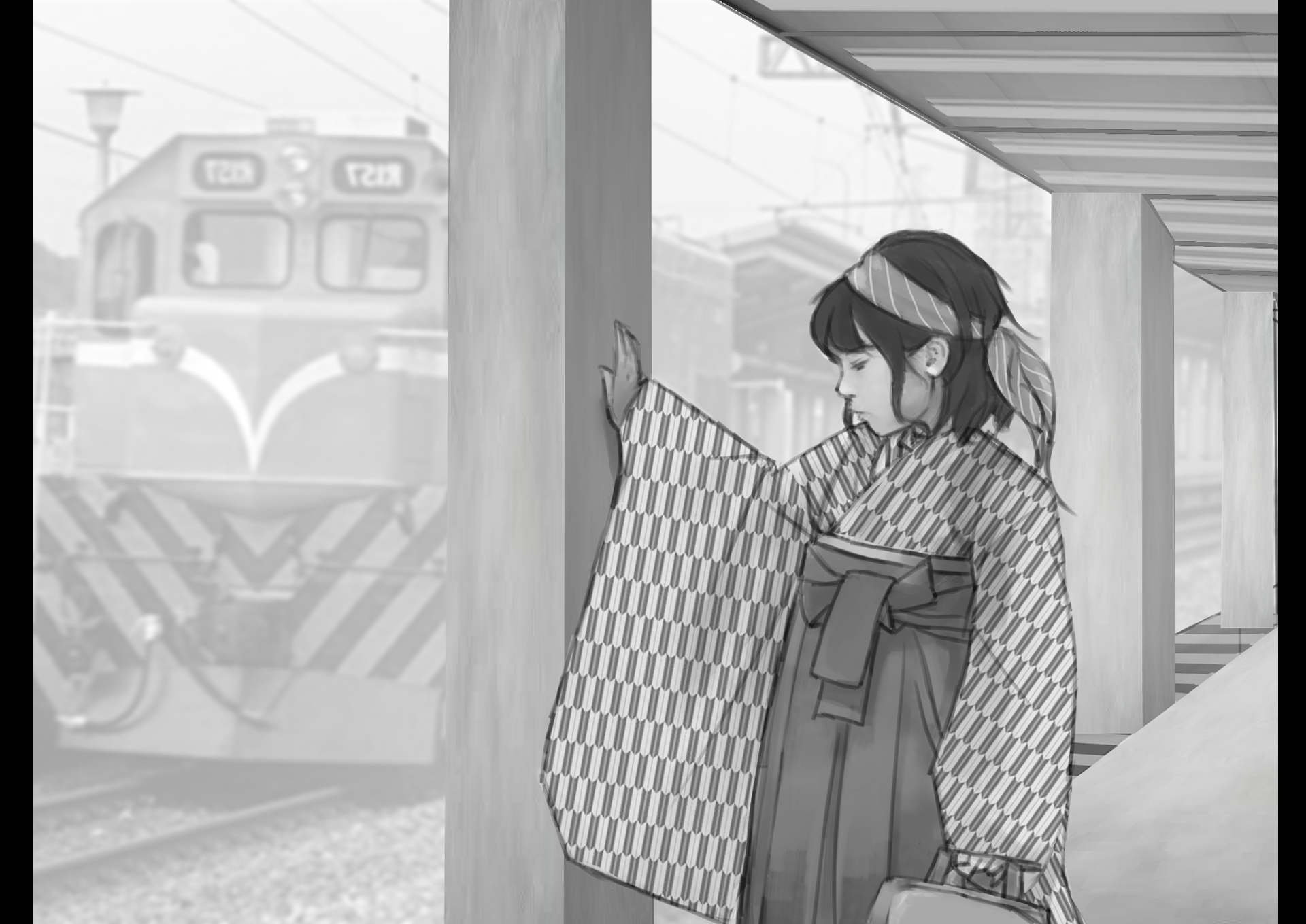
Stylized Rendering
Project Name: Azalea
Skeletal animation is an animation generated by rigging various parts of the character's body model to the "bones" that are connected to each other, and to make character act by controlling the bones position, rotation direction, and zooming in and out.
Toon Rendering is designed to give computer-generated images a hand-drawn-like effect, in order to make the image look like a comic or cartoon. It is a new technology that emerged around the early 2000s as a by-product of computer graphics and is mainly used in video games.
Character animation is generally defined as the art of making a specific character move in a two- or three-dimensional environment. The final outcome of this project is a 6-minute 3D character animation short film.
Azalea is the name of the heroine of the animation, and at the same time, Azalea is also the name of a kind of flower. The azalea flower is the thread of the whole story. In the animation, the heroine chases the azalea flower, leading the audience's eyes from the beginning to the end of the story.
The theme of the story is about war and peace. The story’s historical background is set in a fictional country in East Asian in the 1920s. The girl Azalea's father is an army officer, but in order to escape the war, Azalea is still displaced. The animation contains a traditional saying that when an azalea falls, it indicates that a person will die, and all the storylines confirm this telling.
In the physics engine, the system that simulates the effect of cloth through physical calculation can be called the cloth system. It can not only be used to express the fabric effect of characters' clothes, but also can be applied to hair, pendants, etc. In this project, a mass spring model was used to simulate the cloth, and a lot of cloth decomposition computation time was spent on the process, as the character Azalea was wearing a long dress and long sleeves with a bow on her head. Also, since the clothes are very long, to avoid bugs, the number of collision iterations is adjusted very high, which greatly increases the rendering time. In the mass-spring model, the cloth is modeled as particles on a mesh, which are connected by spring dampers. Each spring connects two particles and generates a force based on the particle's position and velocity. Particles can be affected by gravity, and springs can be set to different types, such as extension springs, shear springs, and bending springs.
I tried two different cartoon rendering scripts, direct cel-rendering and cartoon texture rendering. A comic-like render output can be achieved. But requires light sources from a specific angle.
After completing the animation part of the project, I render the project for first time. I found many bugs and problems in the first render, and then spent the remaining half a month rendering the final version while modifying the Maya file. The whole project as an animation is completed. But in fact, the final version still has some limitations.
- SoftwareMaya, Photoshop, OpenGL, VS Code, PyCharm, 3Ds Max
- Date05/2021-06/2022
- Websiteyoutube.com
- Category3D Modeling, Computer Graphics
-
3D Modeling, Applications Education and Research
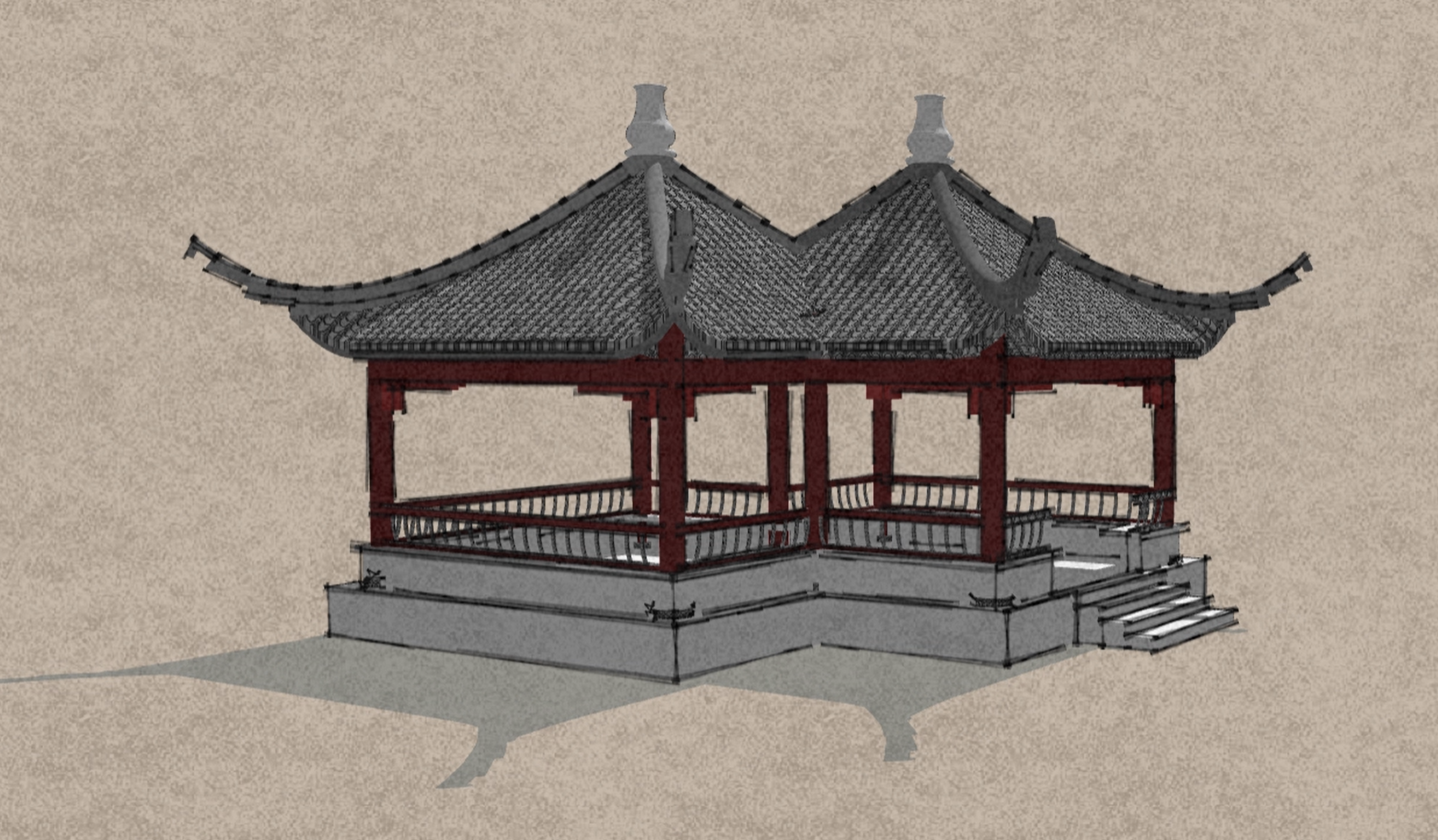
Education and Research
Project Name: Sketch Up for Web
I participated in an innovative project related to STEAM education and research: "Bridging Digital Gap, STEM, and AI Education Program". Our main mission is about knowledge transfer, i.e. delivering science and technology courses at universities and then gathering feedback for further research. I designed some courses suitable for university (non-computer major) students, including the introduction and application of AI image recognition, using the OpenCV library. There is also simple programming python using Micro: bit and CoSpaces calling code modules to make games, etc. The difficulty encountered in the middle is mainly that the code compilation software we traditionally use, such as visual studio code, etc., is not suitable for beginners. Therefore, we look for simpler software, which is more suitable for students. When compiling the course, we prepare the picture library for the training of pattern recognition, and at the same time learn applications such as Micro: bit by ourselves.
This not only allowed me to learn more things but also made me discover that, in fact, the current programming software tends to be simplified, which is more conducive to the popularization of computer science and technology. Computer technology will pervade all majors in the future, such as business, such as social science. Dr. Tsui, who taught us the history course 'CCIV', was majoring in digital humanities at Harvard University. Every time I browse his project webpage, I always hope that one day those humanities research in China can also be integrated with new technologies.
- SoftwareSketchUp, PR
- Date08/2022-11/2022
- Websiteyoutube.com
- Category3D Modeling, Applications
-
Concept Design Future Outlook
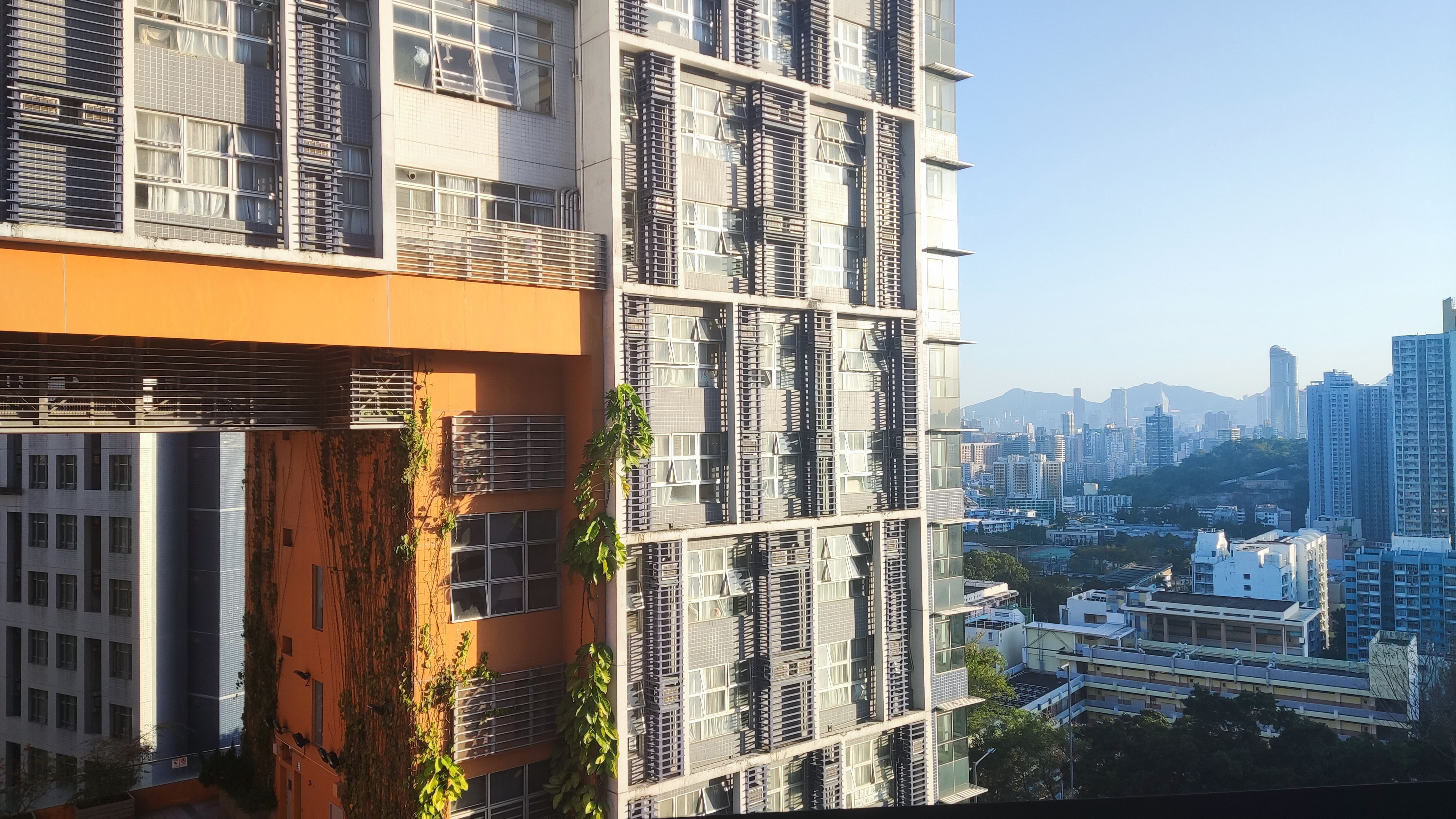
Future Outlook
Project Name: Nanyang Heavy Industries
Nanyang Heavy Industries is a project that I have always wanted to establish. Since I'm a naval lover, I've always been enthusiastic about battleships since I was a kid. In the collection of the portfolio when I applied to undergraduate studies, I had already written the prototype of a script called "Apotheosis", which was a story about a naval officer who failed to assassinate the emperor but was regarded as the spiritual leader of a Utopia many years after his death. This script later evolved into the historical background of my final year project.
Of course, although I wrote the script, there is still no way to make it into a movie. Even if I am proficient in diversiform 3D technologies, it's practically impossible to make a whole 3D animation by myself. So I hope that one day, with the power of CG tech, I will be able to bring these stories to the screen.
My expectations aren’t limited to the Apotheosis: there are other stories about militaristic punk and wasteland, and plots about the slave emancipation movement that have religious metaphors. As I grew up by the sea when imagining my own stories, I always set the background of the story on the island, whether the protagonist is an island resident, refugee, or naval officer... so I named this project Nanyang Heavy Industries.
Nanyang Heavy Industries' logo is an anchor surrounded by flowers. I first drew a frame, and then procedurally generated some alternative logos.
During my spare time, I will update my newly written content on the WeChat platform, however, the update of my personal website is slightly delayed.
- SoftwarePS, XIUMI
- Date11/2017-Future
- Websiteinprogressing.com
- CategoryConcept Design
-
Concept Design Wechat Public Platform
Wechat Public Platform
My Posts and Articles
I regularly post some articles on the WeChat Public Platform, the articles are about my thoughts on the future, past experiences, and feelings, ideas for the essay (but not the essay itself), and some ideological trends in society.
The content of the articles is very stream-of-consciousness, including funny articles, first drafts of concept designs, messy whims, and poems written in idle hours.
Due to the protection protocol of the platform, I will not directly post the link of the account here, but this account for posting articles is completely updated by myself, so all the articles in this account are written by me.
I established the public platform in 2018 as I was also in charge of the public account of the CityU E-sport Club. For the operation of the e-sports club platform, I have gained a lot of experience in editing Wechat articles.
- SoftwareDiscord, XIUMI
- Date09/2018-Now
- Websitewechatarticle.com
- CategoryConcept Design
Typical Articles
- Modern VerseChristmas Eve, Sun Knight
- Project ReflectionHistorical Background of Final Year Project
- Funny ArticleLCZ Political Research Institute
- Random ThoughtsOn Social Evolution
-
Concept Design, 3D Modeling Other Renderings
Other Renderings
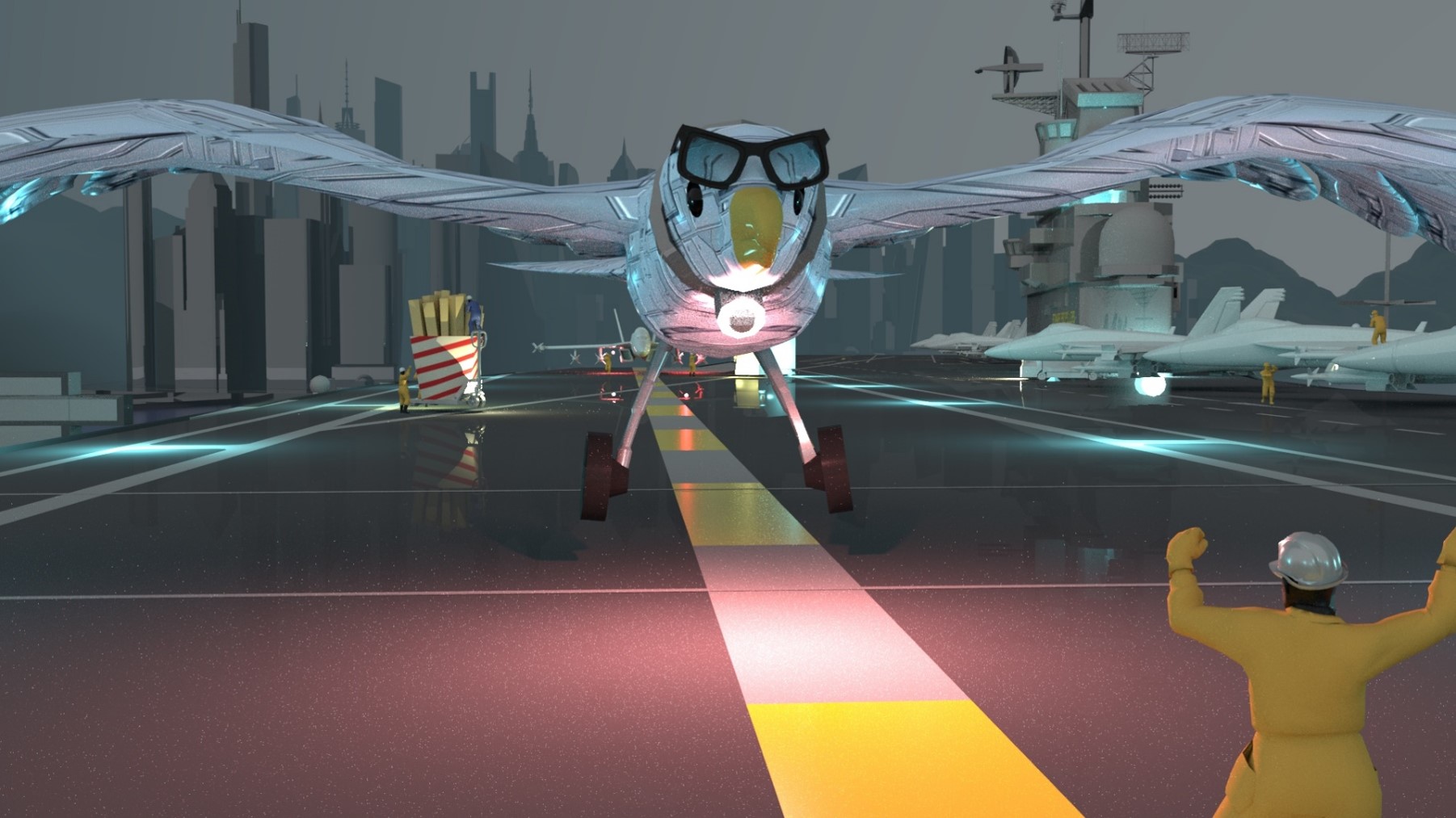
Project Name: Seagulls in NYC
Inspired by the meme of seagulls eating fries. In this design, the seagulls take off and land from the deck of the aircraft carrier like fighter jets, and when they're back, they're fed with fries instead of aviation fuel.
- SoftwareMaya
- Date03/2022
- Websiteartstation.com
- CategoryConcept Design, 3D Modeling

